Stroke literally means a “hit” that affects the brain when its blood flow is reduced or interrupted due to various causes. This causes the brain tissue to receive reduced oxygen and nutrients. The brain is an organ that requires a continuous flow of oxygenated blood. In recent studies, stroke care has been characterised into 2 phases: rapid recognition and precise intervention.
Rapid emergency care is essential to prevent long term disability or related issues. This is why opting to get looked at by specialists at KIMS Sikhara hospital in Guntur just makes sense- as we are the best neuro hospitals in Guntur.
B🡪 Balancing difficulty
E🡪 Eye disturbances like vision blurriness and double vision.
F🡪 Face drooping (ask the person to smile. Check if one side of their face is stiff or drooping)
A🡪Arm weakness (ask the person to raise both arms, check if one arm drifts downwards or unable to lift)
S🡪 Speech difficulty (ask simple phrases and check for their speech and tone- is it slurred or strange)
T🡪 Timely call to the emergencies.
This time is extremely crucial and a deciding factor for the type of treatment that the patient may require or receive. The treatment is decided in between two options- thrombolysis using clot busting agents or mechanical thrombectomy- a procedure that involves physical removal of the offending blood clot.
KIMS Sikhara stands as a leader in comprehensive stroke care as it is also rated to be one of the best neuro hospitals in Guntur; providing round the clock neuro-squad with 24/7 availability of neuro surgeons and AI-Enhanced diagnostics.
The department of neurology has impeccable infrastructure providing both outpatient and inpatient services, emergency stroke care, neuro-rehabilitation and long term follow up for neuro diseases. Due to its multidisciplinary nature, there is easy accessibility to other departments like neurosurgery, radiology and physiotherapy for an integrated approach that aims at fast patient recovery.
They are equipped with advanced cath labs which provide high precision neuro interventions by performing keyhole surgeries that benefit the patient by minimizing trauma and speeding the recovery process greatly. Post surgical care is also handled with a specialised ICU for neuro, which focuses on prevention and long term rehabilitation.
If you’re in search of the best neurological centre in and around Guntur, Andhra Pradesh for conditions like stroke, epilepsy, Parkinson’s, Alzheimer’s etc., KIMS Sikhara hospitals provide care and treatment with high end diagnostic technologies We have EEG, EMG and advanced neuro-imaging with timely and accurate results.
Ensuring compassionate and effective neurological care should be the motive of any neuro-speciality hospitals and KIMS Sikhara hospitals work hard for that to happen. So, if you have had a stroke or know someone who may have had one, get emergency care right away!
A stroke occurs when blood flow to a part of the brain is interrupted, either by a blockage (ischemic stroke) or a burst blood vessel (hemorrhagic stroke). This deprives brain tissue of oxygen and nutrients, causing rapid loss of neurological function. Prompt treatment is critical to limit permanent damage.
Early signs include sudden weakness or numbness on one side of the body, facial drooping, slurred speech, confusion, difficulty seeing in one or both eyes, loss of balance, and severe headache. Recognizing these symptoms immediately is crucial for seeking emergency care.
Stroke is a medical emergency. Rapid evaluation at a hospital allows interventions such as clot-busting medications for ischemic stroke or surgical procedures for hemorrhagic stroke. Early treatment improves survival and reduces long-term disability.
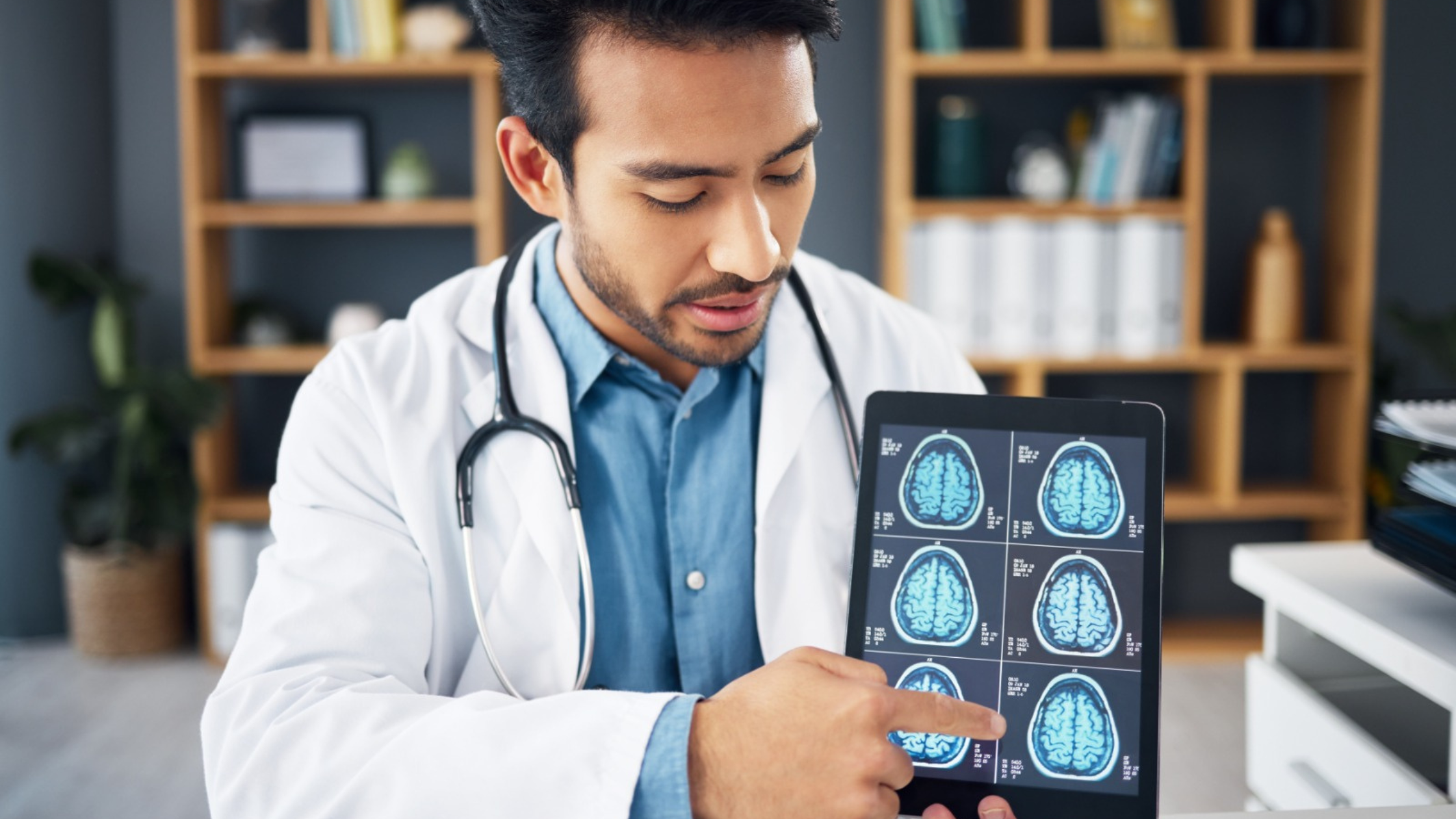
Diagnosis involves a neurological examination and brain imaging, typically CT or MRI scans, to identify the type and location of the stroke. Blood tests, heart monitoring, and vascular imaging may also be used to determine the underlying cause and guide treatment.
Treatment depends on the type of stroke. Ischemic strokes may be treated with thrombolytic drugs, mechanical thrombectomy, and antiplatelet therapy. Hemorrhagic strokes may require surgical intervention, blood pressure control, or endovascular procedures. Rehabilitation, including physical, occupational, and speech therapy, is essential for recovery.